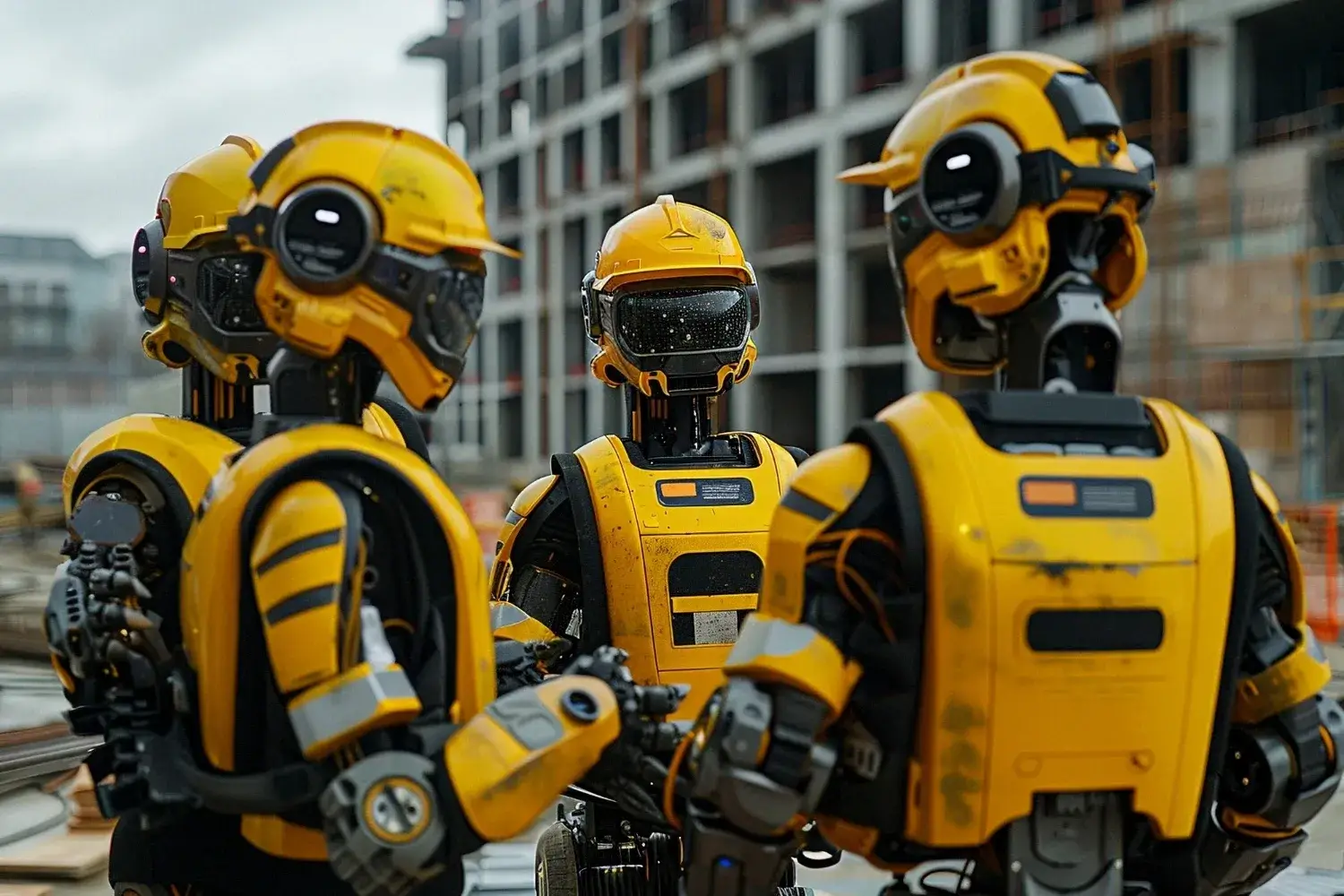
The landscape of modern manufacturing is on the cusp of a profound transformation. As factories pursue higher productivity, tighter quality control, and enhanced flexibility, automation has moved beyond conveyor belts and robotic arms. In an unprecedented step, Hyundai has announced plans to integrate the humanoid Atlas robot—developed by Boston Dynamics—into its factory workforce. Unlike traditional industrial robots that excel at repetitive, singular motions, Atlas possesses human-like agility, balance, and perception, enabling it to navigate complex environments, handle varied tasks, and collaborate safely with human colleagues. This development signals a pivotal shift: from fixed automation cells to versatile, mobile robotic teammates that can adapt to changing production lines, perform maintenance inspections, and even assist with logistics. As Atlas prepares to don Hyundai overalls, the manufacturing world watches closely, anticipating not only productivity gains but also new paradigms in human–robot collaboration, workforce training, and factory design.
Evolution of the Atlas Robot
Atlas’s journey began as a research project aimed at exploring bipedal locomotion and control in humanoid form. Early prototypes showcased Boston Dynamics’ advances in dynamic balancing, joint coordination, and sensor fusion. Over successive generations, hardware refinements—lightweight actuators, improved powerdense batteries, and reinforced structural components—have doubled Atlas’s payload capacity and extended its operating time. Software innovations introduced advanced perception stacks, enabling real-time 3D mapping, obstacle detection, and environment understanding via integrated LiDAR, stereo cameras, and inertial measurement units. AI-driven motion planners allow Atlas to climb stairs, traverse uneven terrain, and recover from disturbances, all while carrying tools or parts. These capabilities set Atlas apart from conventional automation platforms, which rely on pre-programmed paths and static fixtures. By bringing research-stage robotics into operational stability, Boston Dynamics created a platform versatile enough for real-world deployment—paving the way for Hyundai to become the first major automaker to adopt humanoid robots in production settings.
Hyundai’s Vision for Automation and Robotics

Hyundai’s robotics strategy extends beyond incremental automation to embrace flexible, intelligence-driven systems that augment human workers. The company envisions smart factories where robots handle material handling, quality inspections, and repetitive assembly, freeing human teams for creative problem-solving and complex decision-making. To this end, Hyundai has invested heavily in in-house robotics research, established partnerships with leading universities, and acquired robotics startups. The decision to deploy Atlas reflects a deliberate move toward advanced mobile robotics that can adapt to multiple roles, from line-side assistance to equipment maintenance. Hyundai’s executive leadership emphasizes that its robotics roadmap prioritizes safety, interoperability, and continuous learning. By leveraging digital twins and cloud-based analytics, Atlas units will receive over-the-air updates, performance optimizations, and new task modules—ensuring their skillsets evolve alongside production needs. Ultimately, Hyundai aims to create a harmonious ecosystem where humans and humanoid robots collaborate on equal footing, driving both efficiency and innovation.
Integration of Atlas into Factory Operations
Integrating Atlas into a high-volume automotive production line requires careful planning across physical layouts, software infrastructure, and team workflows. Initially, Atlas units will undergo trials in controlled environments, validating their ability to navigate aisles, interface with conveyors, and manipulate lightweight components such as wiring harnesses and panel clips. Robot engineers will develop intuitive task programs using teach-and-repeat interfaces, while safety specialists define collaborative zones to prevent unintended contact. Factory floors will be reconfigured to include charging stations, data hubs, and maintenance bays tailored to Atlas’s form factor. A central orchestrator—built on Hyundai’s factory automation platform—will assign jobs to Atlas based on real-time production demands, robot availability, and skill profiles. As confidence in Atlas’s reliability grows, its responsibilities will expand to include periodic equipment inspections using mounted sensors, inventory stocktaking via computer vision, and emergency response drills. Hyundai anticipates that Atlas’s mobile agility will enable it to traverse between stations rapidly, acting as a “floater” resource that bridges gaps in labor availability during peak production periods.
Technical Capabilities and Safety Considerations
Atlas’s human-like design affords it dexterity for grasping, lifting, and positioning tasks, but also introduces novel safety considerations. To ensure safe operation alongside human coworkers, Atlas is equipped with force-torque sensors in its limbs, collision-detection algorithms, and redundant emergency-stop mechanisms. Its onboard AI continuously monitors joint torques and visual cues to detect human presence and adjust speed or posture accordingly. Factory safety protocols will be updated to include robot-aware traffic patterns, clear floor markings, and proximity alerts delivered via wearable devices or overhead displays. Maintenance teams will receive specialized training to perform regular health checks on Atlas actuators, firmware updates, and battery diagnostics. Cybersecurity measures—such as encrypted communications, access controls, and anomaly detection—will guard against unauthorized commands or data breaches. By combining robust hardware safeguards with rigorous operational procedures, Hyundai aims to maintain both productivity and worker wellbeing as humanoid robots become everyday collaborators on the production line.
Impact on Workforce and Skills Development
The introduction of Atlas heralds a shift in the skills required for factory roles. As robots assume repetitive or physically strenuous tasks, human workers will focus on oversight, quality assurance, and continuous improvement initiatives. Hyundai is proactively addressing this transition by launching reskilling programs in collaboration with technical institutes, offering courses in robot programming, system maintenance, data analysis, and collaborative process design. Apprenticeship pathways will pair experienced technicians with robotics specialists, fostering cross-disciplinary expertise. The company also plans to create “robotic champion” roles—employee ambassadors who guide peers in human-robot interaction best practices, report usability feedback, and co-develop new task workflows. While some positions may evolve or phase out, Hyundai projects that robotics integration will generate net job growth by enabling factory expansions, new service roles, and upstream R&D opportunities. Transparent communication with labor unions and early engagement with worker representatives have been central to Hyundai’s change management strategy, ensuring that workforce transformation is equitable and inclusive.
Future Prospects for Humanoid Robots in Manufacturing

Hyundai’s pilot with Atlas is poised to set a precedent for the broader adoption of humanoid robots across the manufacturing sector. Success in automotive plants will likely spur interest from electronics, consumer goods, and aerospace firms seeking similar versatility and floor mobility. As hardware costs decline and AI capabilities advance, humanoid platforms may handle increasingly complex assembly tasks, collaborate on paired operations with industrial arms, or perform remote maintenance under teleoperation. Standardized ROS-based software stacks and interoperable modular toolkits will accelerate integration, while advances in battery technology and energy harvesting will extend operating durations. Beyond factories, Atlas-style robots could serve in hazardous environments—such as chemical plants or disaster response scenarios—leveraging their human-like dexterity and robust sensing suites. For Hyundai, early leadership in humanoid robotics not only enhances competitiveness but also cultivates a culture of continuous innovation, preparing the company for a future where humans and robots work side by side to build the products of tomorrow.
Leave a Reply