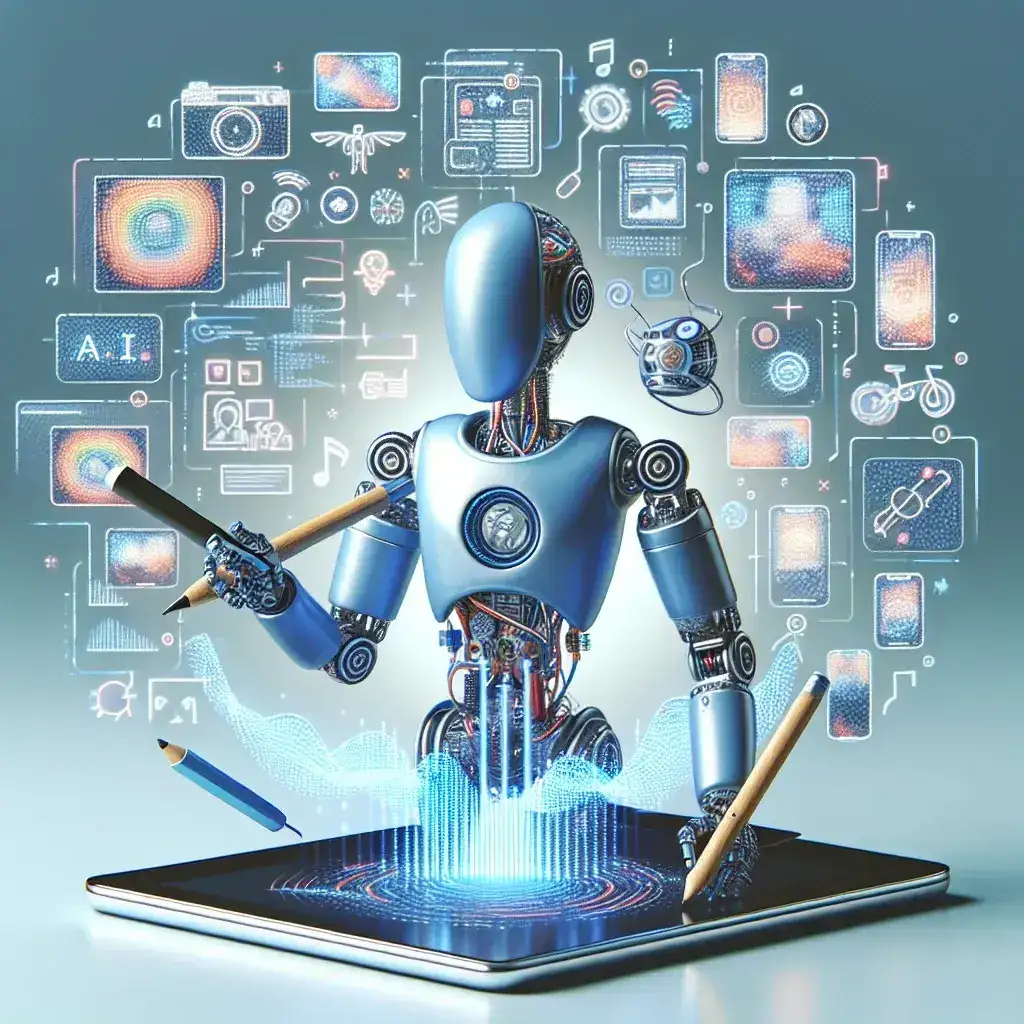
Introduction
In recent years, generative AI has rapidly become a pivotal player in the world of casual media. This transformative technology is reshaping how content is created, consumed, and shared. As we delve into the reasons behind this meteoric rise, we will explore historical context, current trends, and future implications.
The Rise of Generative AI
Generative AI refers to algorithms that can generate new content, including text, images, music, and videos, based on existing data. The fascination with this technology can be traced back to early AI experiments, but significant advances in machine learning and neural networks have propelled it into mainstream use.
Historical Context
Understanding the evolution of generative AI requires a look back at its inception. The early 2010s saw the emergence of deep learning techniques, which enabled machines to learn patterns and make predictions. By the mid-2010s, the introduction of Generative Adversarial Networks (GANs) allowed AI to create more complex outputs, leading to a surge in interest.
Current Trends in Casual Media
Today, generative AI is increasingly integrated into casual media platforms, influencing everything from social media posts to video content creation. Several factors contribute to this trend:
- Accessibility: Advanced tools are now available to the average user, allowing anyone to create content with minimal technical knowledge.
- Cost-Effectiveness: Automation reduces the need for large teams, making it cheaper to produce high-quality media.
- Personalization: Generative AI can tailor content to individual preferences, enhancing user engagement.
The Impact on Content Creation
Generative AI is revolutionizing how content is produced. It allows creators to:
- Quickly Generate Ideas: AI can suggest topics, headlines, and formats that resonate with audiences.
- Enhance Creativity: By providing inspiration or even drafts, AI acts as a creative partner.
- Improve Efficiency: The speed of content production is dramatically increased, enabling creators to meet the constant demand.
Pros and Cons
While the advantages are substantial, there are also challenges associated with generative AI:
Pros:
- High-quality content generation.
- Ability to analyze and adapt to audience trends.
- Reduction in time-consuming tasks.
Cons:
- Potential loss of originality and human touch.
- Concerns over copyright and ownership of AI-generated content.
- Ethical considerations regarding misinformation and manipulation.
Real-World Examples
Numerous platforms are capitalizing on generative AI:
- Social Media: Tools like Canva utilize AI to help users create stunning graphics effortlessly.
- Video Production: Applications like Lumen5 enable users to convert text into engaging videos using AI-generated visuals.
- Music Creation: Platforms like Amper Music allow users to compose music tracks with AI assistance.
Future Predictions
The trajectory of generative AI in casual media looks promising. Experts predict:
- Increased Integration: More platforms will integrate AI tools, making content creation even more accessible.
- Advanced Personalization: AI will refine its ability to tailor content to individual user preferences.
- New Ethical Frameworks: As AI-generated content becomes prevalent, discussions surrounding intellectual property rights will intensify.
Cultural Relevance
The cultural shift towards embracing AI in casual media reflects a broader trend of technology’s influence on our daily lives. As younger generations grow up with these tools, their expectations around content creation and consumption evolve.
Expert Insights
Leading experts in technology and media emphasize the importance of adapting to this shift. According to Dr. Jane Smith, an AI researcher, “Generative AI will redefine the boundaries of creativity, but we must navigate its implications thoughtfully to harness its full potential.”
Conclusion
In summary, the rapid growth of generative AI in casual media is a phenomenon shaped by technological advancement, user demand, and cultural shifts. As we look to the future, it is essential for creators, consumers, and policymakers to engage in meaningful conversations about the role of AI in shaping our media landscape.
Call to Action
If you’re a content creator, consider exploring the benefits of generative AI tools to enhance your creative process and engage your audience more effectively. Embrace the future of media, where technology and creativity go hand in hand.
Leave a Reply